Workplace Safety Tips: 15 Ways to Keep Employees Safe in 2026

12 Workplace Safety Tips to Keep Employees Safe

Posted: February 25, 2025 | Updated: 2026

According to OSHA, U.S. employers reported nearly 2.8 million nonfatal workplace injuries and illnesses in a recent year alone — and thousands of workers lose their lives on the job annually. These numbers aren’t just statistics; they represent real people, real families, and real businesses facing preventable consequences.

Whether you’re a safety officer, HR professional, operations manager, or business owner, this guide was built for you. Workplace safety isn’t a one-time checkbox — it’s an ongoing commitment that touches every department and every shift.

In this updated guide, you’ll find 15 actionable workplace safety tips for 2026, a breakdown of the most common hazards across industries, what OSHA requires of employers, and how to build a lasting safety culture from the ground up. If you’re ready to reduce incidents, lower costs, and protect your people, let’s get started.


Why Workplace Safety Matters

Workplace safety is more than a regulatory obligation — it’s a business imperative. The human cost of workplace injuries and fatalities is immeasurable, but the financial and legal consequences are significant as well. OSHA estimates that employers pay nearly $1 billion per week in direct workers’ compensation costs alone. Fatal work injuries totaled 5,283 in a recent reporting year, according to the Bureau of Labor Statistics — roughly 14 deaths every single day.

From a legal standpoint, the Occupational Safety and Health Act of 1970 requires employers to provide a workplace free from recognized hazards. Failure to comply can result in citations, fines, lawsuits, and reputational damage that can take years to recover from.

Beyond compliance, companies with strong safety programs consistently outperform peers in productivity, employee retention, and insurance costs. Simply put: investing in safety is investing in your business.


15 Workplace Safety Tips for Every Industry

The following tips apply across industries — from construction and manufacturing to healthcare and office environments. Each tip includes a practical action step you can implement right away.

1. Prioritize Personal Protective Equipment (PPE)

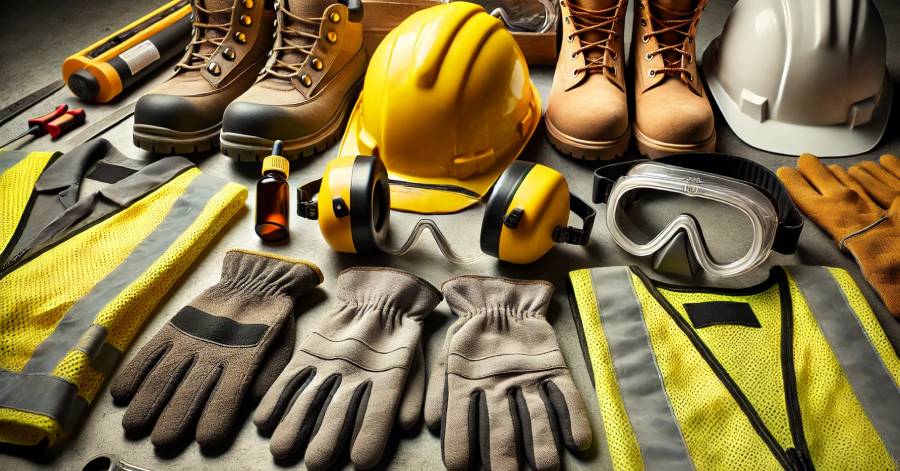
PPE is the last line of defense between a worker and a serious injury. Ensure employees have access to the correct gear — hard hats, safety glasses, gloves, steel-toed boots, respirators, and high-visibility vests — appropriate for their specific job tasks. It’s not enough to simply provide equipment; workers must understand when and why each piece is required.

Regular audits of PPE inventory, along with consistent enforcement of usage policies, keep protection from becoming an afterthought.

Action Step: Conduct a PPE needs assessment by job role. Create a posted reference chart showing which PPE is required for each task or work zone, and verify compliance during routine walkthroughs.

2. Implement and Enforce Safety Procedures

Clear, written safety procedures give employees a reliable framework for doing their jobs without unnecessary risk. Procedures should cover routine tasks as well as emergency scenarios, and they should be updated whenever equipment, processes, or regulations change.

Enforcement is equally important — a procedure that isn’t followed consistently offers no protection. Supervisors should lead by example and address non-compliance promptly and constructively.

Action Step: Review all safety procedures annually or after any incident. Post laminated quick-reference summaries at relevant workstations and review them during onboarding for every new hire.

3. Encourage Reporting of Unsafe Conditions

Many workplace accidents are preceded by near-misses or known hazards that went unreported. Creating a workplace where employees feel psychologically safe to speak up — without fear of retaliation or ridicule — is one of the most powerful preventive measures available.

Prompt reporting enables fast remediation, often stopping an accident before it happens. Make reporting easy through multiple channels: verbal, written, or anonymous.

Action Step: Install a simple hazard-reporting system (even a wall-mounted form or digital submission link). Acknowledge every report with a follow-up and communicate what action was taken.

4. Follow Workplace Safety Rules

Rules exist because someone, somewhere, learned the hard way. Even tasks that seem routine or low-risk can cause serious injury without proper protocols in place. Training employees to follow the rules — every time, not just when a supervisor is watching — is foundational to a safe workplace.

Consistency matters: safety rules applied selectively create gaps in protection and undermine a culture of accountability.

Action Step: Incorporate safety rule reviews into shift briefings or toolbox talks. Rotate responsibility for leading these discussions to build ownership across the team.

5. Inspect and Maintain Emergency Equipment

Fire extinguishers, AEDs, first aid kits, emergency eyewash stations, and smoke/CO detectors must be inspected on a regular schedule to confirm they are stocked, functional, and accessible. Equipment that fails in an emergency isn’t just useless — it’s dangerous, because employees may have relied on it.

Documentation of inspection dates and outcomes also supports OSHA compliance during audits.

Action Step: Create a monthly inspection calendar for all emergency equipment. Assign a responsible party for each item and log results in a shared, accessible record.

6. Foster a Culture of Safety

Rules and equipment are only as effective as the culture supporting them. A genuine safety culture means employees at every level — from the floor to the C-suite — treat safety as a shared value, not a compliance burden. This includes knowing where first aid supplies are located, looking out for coworkers, and speaking up when something feels off.

Safety culture is built over time through consistent leadership, open communication, and visible commitment from management.

Action Step: Hold a brief monthly “safety moment” at the start of team meetings. Recognize employees who demonstrate proactive safety behavior and share lessons learned from near-miss reports.

7. Conduct Regular Safety Training

Ongoing training ensures employees stay current on protocols, equipment changes, and emergency procedures. Knowledge fades over time — especially under the pressure of deadlines and production demands. Refresher courses reinforce correct behavior and introduce updated best practices before gaps lead to incidents.

Training also signals to employees that their safety is a genuine organizational priority, not a legal afterthought.

Action Step: Schedule role-specific safety training at least annually, with additional sessions when new equipment is introduced or an incident occurs. Consider OSHA-certified training through EMR Safety & Health for recognized compliance value.

8. Identify and Fix Workplace Hazards

Proactive hazard identification — rather than reactive accident investigation — is the hallmark of a mature safety program. Regular walkthroughs should look for slippery floors, unsecured equipment, exposed wiring, inadequate lighting, blocked pathways, and any condition that could harm an employee.

Speed of remediation matters. A hazard identified and left unaddressed creates liability and erodes employee trust.

Action Step: Use a standardized hazard identification checklist on weekly walkthroughs. Track open items to resolution and set a maximum response time (e.g., 24 hours for high-priority hazards).

9. Use Protective Equipment Correctly

Owning PPE and using it correctly are two different things. Improperly worn or adjusted equipment — a hard hat sitting too far back, a respirator with a poor seal — offers a false sense of security while leaving workers exposed. Employees need hands-on training on how to properly don, adjust, inspect, and doff their gear.

Regular inspections for damage or wear ensure equipment continues to perform as designed.

Action Step: Include a PPE fit-and-use demonstration in all new employee orientations. Build a quick equipment inspection step into pre-shift routines.

10. Keep Emergency Exits Clear

An obstructed exit path can turn a manageable emergency into a tragedy. OSHA requires that all emergency exits be clearly marked, unobstructed, and operable at all times. In fast-paced environments, exits can quickly become blocked by materials, pallets, or equipment — often without anyone noticing.

Maintaining clear exit routes is one of the simplest and most critical safety standards to uphold.

Action Step: Mark the required 28-inch minimum clearance around all exit routes with floor tape. Include exit-path checks as a daily opening task for supervisors.

11. Prioritize Ergonomics

Ergonomic injuries — musculoskeletal disorders from repetitive motion, awkward postures, or excessive force — are among the most common and costly workplace injuries. They develop gradually, often going unreported until they become serious. Adjusting workstations, tools, and workflows to fit the worker (rather than forcing the worker to adapt) significantly reduces this risk.

Ergonomics improvements often deliver measurable productivity gains alongside injury reduction.

Action Step: Conduct an ergonomic assessment of high-risk roles (heavy lifting, assembly lines, desk workers). Implement adjustable equipment and rotate tasks where feasible to reduce repetitive strain.

12. Maintain Good Posture

Proper body mechanics during lifting, carrying, bending, and operating machinery reduce cumulative stress on the spine, shoulders, and joints. This applies equally to warehouse workers and office employees — prolonged poor posture at a desk carries its own injury risk over time.

Encouraging regular breaks and stretch routines combats fatigue and keeps employees performing at their best throughout the shift.

Action Step: Post proper lifting technique reminders near loading areas and encourage micro-break stretch routines every 60–90 minutes for seated workers. Consider offering a short posture and body mechanics training module.

13. Conduct Regular Safety Audits and Inspections

While routine walkthroughs catch day-to-day hazards, formal safety audits provide a deeper, systematic review of your entire safety program — policies, procedures, training records, equipment maintenance logs, and physical conditions. Audits reveal gaps that aren’t visible during normal operations and provide documented evidence of your compliance efforts.

Audits can be conducted internally by a trained safety officer or externally by a third-party specialist for an unbiased assessment. Many organizations benefit from both: frequent internal audits supplemented by annual third-party reviews.

Action Step: Schedule quarterly internal safety audits using a standardized checklist aligned to OSHA standards for your industry. Document findings, assign corrective actions with due dates, and track completion. Consider EMR Safety & Health for professional third-party inspection support.

14. Address Mental Health and Fatigue in the Workplace

Worker fatigue and mental health challenges are increasingly recognized as serious occupational safety hazards. Fatigued employees have slower reaction times, impaired judgment, and reduced awareness — conditions that can be just as dangerous as a physical hazard. Burnout, chronic stress, and anxiety also contribute to elevated accident rates and increased absenteeism.

Progressive organizations are building mental health into their safety programs by offering employee assistance programs (EAPs), establishing reasonable shift lengths, and training supervisors to recognize signs of distress before they become crises.

Action Step: Add fatigue and mental wellness to your next safety committee agenda. Review shift scheduling practices, promote EAP resources visibly in common areas, and train front-line supervisors to identify and respond to signs of employee burnout.

15. Create a Written Workplace Safety Plan

A written safety plan is the backbone of any formal safety program. It documents your organization’s safety policies, hazard controls, emergency procedures, training schedules, and roles and responsibilities — giving every employee and manager a clear reference point. OSHA requires written programs for many specific standards (e.g., Hazard Communication, Lockout/Tagout, Respiratory Protection), but a comprehensive plan goes beyond the minimum.

A well-maintained safety plan also demonstrates good faith in the event of an OSHA inspection or workplace incident investigation.

Action Step: If you don’t have a written safety plan, start with a template aligned to your industry’s OSHA standards. Assign ownership to a safety officer or designee, review the plan annually, and ensure all employees know where to access it. EMR Safety & Health can help your team develop and document a compliant safety program.


Common Workplace Hazards and How to Prevent Them

Understanding hazard categories helps organizations build targeted prevention strategies. Here is a quick-reference breakdown of the five major workplace hazard types:

Hazard Type Examples Prevention
Physical Hazards Slips, trips, falls; heavy machinery; noise; extreme temperatures Maintain clean, dry floors; install machine guarding; provide hearing protection; enforce temperature exposure limits.
Chemical Hazards Toxic fumes, solvents, cleaning agents, pesticides Maintain a current SDS (Safety Data Sheet) library; ensure proper ventilation; require appropriate PPE; train on chemical handling and spill response.
Ergonomic Hazards Repetitive motion, awkward postures, heavy lifting, vibration Conduct ergonomic assessments; adjust workstations; rotate tasks; provide mechanical lifting assists where possible.
Biological Hazards Bloodborne pathogens, mold, bacteria, viruses Follow Universal Precautions; provide appropriate PPE; ensure proper disposal of biohazardous waste; conduct bloodborne pathogen training (required by OSHA for at-risk workers).
Psychological Hazards Workplace violence, harassment, chronic stress, fatigue Implement a workplace violence prevention program; promote EAP resources; establish anti-harassment policies; manage workloads and shift lengths to prevent burnout.

For more detailed training on identifying and controlling workplace hazards, explore EMR Safety & Health’s OSHA training courses.


OSHA Workplace Safety Requirements You Need to Know

Understanding your legal obligations under OSHA is not optional — it’s foundational. Here are the key requirements every employer should be familiar with:

The General Duty Clause

Section 5(a)(1) of the Occupational Safety and Health Act of 1970 requires every employer to furnish employees with a workplace “free from recognized hazards that are causing or are likely to cause death or serious physical harm.” This clause applies even when no specific OSHA standard addresses a particular hazard — meaning compliance with written standards alone is not sufficient.

Recordkeeping Requirements (OSHA 300 Log)

Most employers with 11 or more employees are required to maintain OSHA Form 300 (Log of Work-Related Injuries and Illnesses), Form 300A (Summary), and Form 301 (Injury and Illness Incident Report). These records must be posted annually from February 1 through April 30, and must be available for OSHA inspection upon request. Failure to maintain accurate records is itself a citable violation.

Employee Rights to a Safe Workplace

Under OSHA, employees have the right to: receive safety training in a language they understand, review workplace injury records, request an OSHA inspection, and report safety concerns without retaliation. Employers are prohibited from retaliating against workers who exercise these rights.

How EMR Safety & Health Helps Businesses Stay Compliant

Staying current with OSHA requirements is an ongoing effort — standards change, and documentation requirements evolve. EMR Safety & Health offers OSHA-aligned training courses designed to help businesses across industries meet their compliance obligations, train their workforce effectively, and build the documentation needed to demonstrate a good-faith safety program. Contact us to discuss a training plan tailored to your organization.


How to Build a Workplace Safety Culture

Rules and equipment form the foundation of safety — but culture is what makes safety stick. A genuine safety culture doesn’t happen by accident; it’s built intentionally, from the top down and the bottom up. Here’s what it takes:

Leadership Buy-In

Safety culture starts with visible, consistent leadership commitment. When executives and managers actively participate in safety walkthroughs, attend training, and enforce policies without exception, employees understand that safety is a real priority — not just a poster on the wall.

Safety Committees

Cross-functional safety committees give employees across roles and departments a voice in identifying risks and developing solutions. Committees should meet regularly, have a defined charter, and report findings to senior leadership. This structure creates accountability and broadens the organization’s hazard-detection capability.

Anonymous Reporting Systems

Many employees hesitate to report hazards or near-misses for fear of embarrassment or repercussions. Anonymous reporting channels — a physical suggestion box, a digital form, or a third-party hotline — remove this barrier and dramatically increase the volume and quality of safety intelligence available to management.

Recognition Programs for Safe Behavior

What gets recognized gets repeated. Acknowledging employees who demonstrate proactive safety behavior — reporting a hazard, correcting a peer respectfully, maintaining a perfect safety record — reinforces the behaviors you want to see. Recognition doesn’t need to be expensive; public acknowledgment and small incentives go a long way.

Employee Involvement in Safety Planning

The people doing the work often have the most detailed understanding of where the risks are. Involving frontline employees in hazard assessments, procedure development, and safety plan reviews produces better outcomes and builds genuine ownership of the safety program.


The Benefits of Workplace Safety

A commitment to workplace safety delivers measurable returns across every dimension of your business. Here are six core benefits:

1. Enhanced Efficiency and Productivity

Fewer injuries mean fewer disruptions to operations. Lower Lost Time Injury (LTI) and Days Away, Restricted, or Transferred (DART) rates help keep projects on schedule and teams fully staffed. A safe workplace is an efficient workplace.

2. Lower Injury and Illness Costs

A safer workplace reduces direct costs — medical bills, workers’ compensation claims, equipment replacement — and indirect costs like lost productivity, overtime for replacement workers, and incident investigation time. These savings compound over time into a significant competitive advantage.

3. Higher Employee Morale and Retention

Employees who feel safe and valued are more engaged and less likely to leave. High turnover is expensive; a strong safety culture reduces it. Workers who trust their employer to prioritize their well-being are more loyal, more productive, and more likely to refer others to the organization.

4. Stronger Safety Culture

Each positive safety behavior reinforces the next. Over time, safety becomes embedded in how the organization operates — less dependent on enforcement and more driven by shared values. This maturity is what separates organizations with great safety records from those that perpetually react to incidents.

5. Better Safety Record

A strong safety record has tangible benefits beyond avoiding incidents: it improves your EMR (Experience Modification Rate) score, which directly affects workers’ compensation insurance premiums, and it enhances your reputation with clients, partners, and regulators who increasingly require safety documentation before awarding contracts.

6. Regulatory Compliance and Avoiding OSHA Fines

OSHA penalties for serious violations can reach $16,131 per violation, and willful or repeated violations can exceed $161,323 per instance. Beyond fines, OSHA citations can trigger increased inspection scrutiny, mandatory abatement plans, and significant reputational damage. A proactive safety program is far less expensive than reactive compliance.


Does Your Business Need OSHA Training?

EMR Safety & Health offers multiple OSHA training options to keep your team compliant and your workplace safe.

Browse OSHA Courses →


Frequently Asked Questions About Workplace Safety

What are a company’s legal obligations for workplace safety?

Under the Occupational Safety and Health Act of 1970, employers must identify and eliminate recognized workplace hazards, enforce safety measures, maintain required equipment, provide training, and keep accurate injury and illness records. Failure to meet these standards can result in OSHA citations, financial penalties, and civil liability.

What are 5 general safety rules?

  1. Wear PPE — Use the right protective gear for your task, every time.
  2. Lift Properly — Use safe body mechanics to avoid musculoskeletal injuries.
  3. Keep Work Areas Clean — Reduce slips, trips, and falls through good housekeeping.
  4. Report Hazards — Notify a supervisor about any unsafe conditions immediately.
  5. Communicate and Work as a Team — Promote safety through clear communication and mutual accountability.

What are the 6 key guidelines for workplace safety?

  1. Provide regular safety training — keep employees current on proper procedures.
  2. Inspect and maintain equipment — address damage or malfunctions before they cause harm.
  3. Identify and assess hazards — proactively reduce workplace risks through regular walkthroughs.
  4. Encourage open communication — ensure employees report safety concerns without fear.
  5. Keep emergency exits clear — maintain unobstructed pathways for quick evacuation.
  6. Build a safety-first culture — promote accountability for personal and team safety at every level.

What are the most common causes of workplace injuries?

The most frequently cited causes of workplace injuries include: overexertion and repetitive motion (lifting, pulling, carrying), slips, trips, and falls on the same level, contact with objects and equipment, falls to a lower level, and roadway incidents involving motor vehicles. The construction industry accounts for a disproportionate share of fatal incidents, with falls consistently ranked as the leading cause of construction worker deaths.

How often should workplace safety training be conducted?

At minimum, safety training should occur during onboarding for all new employees and annually thereafter as a refresher. Additional training is required whenever new equipment or processes are introduced, after any workplace incident or near-miss, when regulations change, and when employees are assigned to new roles or hazard exposures. Specific OSHA standards may mandate more frequent training intervals for particular topics (e.g., emergency action plans, bloodborne pathogens, powered industrial trucks).

What should a workplace safety checklist include?

A comprehensive workplace safety checklist should cover: emergency exit visibility and accessibility, fire extinguisher inspection status, first aid kit inventory, PPE availability and condition, equipment maintenance logs, hazard communication (SDS availability and labeling), housekeeping conditions, ergonomic workstation setup, electrical safety (no exposed wiring, proper cord management), and incident reporting documentation. Checklists should be tailored to the specific hazards present in your facility.

What is an EMR score and how does workplace safety affect it?

EMR stands for Experience Modification Rate — a numerical representation of a company’s workplace injury history compared to the industry average. An EMR of 1.0 is the baseline; scores below 1.0 indicate better-than-average safety performance, while scores above 1.0 indicate higher-than-average risk. EMR directly affects workers’ compensation insurance premiums (a lower EMR means lower premiums), and many general contractors and project owners use EMR as a prequalification threshold — companies with high EMR scores may be disqualified from bidding on contracts. A proactive safety program, consistent training, and prompt incident response all contribute to maintaining a competitive EMR.


Conclusion: Build a Safer Workplace Starting Today

Workplace safety is not a destination — it’s a continuous process of improvement, training, and accountability. The 15 tips outlined in this guide give you a practical roadmap: from ensuring employees have the right PPE to building the systems, culture, and documentation that sustain safety over the long term.

Every organization, regardless of size or industry, can reduce workplace injuries and the costs that come with them. The key is consistent action — not waiting for an incident to prompt change.

At EMR Safety & Health, we’ve been helping organizations across industries build safer workplaces through OSHA-aligned training, certification programs, and expert safety resources. Whether you need foundational OSHA training for your team, a customized safety training plan, or guidance on meeting compliance requirements, we’re ready to help.

Ready to take the next step? Contact EMR Safety & Health to schedule a safety training consultation, or browse our full OSHA course catalog to find training that fits your team’s needs. Keeping your employees safe is our top priority — and it starts with a conversation.


What is OSHA Compliance? A Guide

OSHA Compliance in Action at an Outdoor Construction Zone

Introduction to OSHA Compliance

Understanding OSHA: Purpose and Background

The foundation of the Occupational Safety and Health Administration (OSHA) is deeply rooted in promoting and ensuring worker safety. Born from the vital principles of the Occupational Safety and Health Act, OSHA’s key objective is to mitigate the hazards that employees face in their daily work environments.

Embracing OSHA compliance is a collaborative endeavor. It requires a concerted effort from both employers and their teams to deeply understand and rigorously apply safety measures. This joint commitment is essential in nurturing an environment where safety is not just a regulation, but a shared value.

Need OSHA Help? Our OSHA Courses.

The Importance of OSHA Compliance for Businesses

Embracing OSHA compliance is crucial for businesses, transcending mere legal obligations. It’s about establishing a safe and secure work environment, which is central to the health and morale of employees. This proactive approach to safety helps minimize the occurrence of work-related injuries and health issues, contributing to a more dynamic and productive workplace.

Further, adherence to OSHA standards reinforces a business’s dedication to its workforce. This dedication is reflected in the trust and loyalty of employees, who, when working in a safe environment, are likely to be more engaged and effective. Moreover, a reputation for safety can elevate a company’s standing, attracting quality talent and fostering positive relationships with clients and partners.

OSHA Compliance in Action at an Outdoor Construction Zone

Key Components of OSHA Compliance

Workplace Safety Standards and Regulations

Delving into OSHA’s detailed safety standards and regulations is essential for fostering a secure work environment. These guidelines act as a blueprint for pinpointing and neutralizing various risks inherent in diverse work settings. They span from overarching safety protocols to specific rules for handling dangerous materials, ensuring comprehensive coverage of workplace safety issues.

Adopting these standards is integral to protecting employees from workplace dangers. This commitment includes the correct application of safety gear and the development of robust hazard communication strategies. By keeping up-to-date with OSHA’s ever-evolving regulations, companies can not only sidestep legal repercussions but also cultivate a safer, more efficient workplace atmosphere.

Furthermore, consistent training in these safety regulations is paramount. It’s important for every employee, regardless of their role, to receive regular instruction on relevant safety measures. This continuous learning process is key to adapting to new safety standards and effectively addressing new challenges in maintaining workplace safety.

Training Requirements and Best Practices

OSHA compliance hinges significantly on the quality of training provided to employees. Varied across industries and job roles, these training programs are designed to impart a deep understanding of safety risks and the competencies to address them. This encompasses educating employees about the correct use of safety equipment, emergency response actions, and identifying potential hazards.

Advanced training approaches exceed standard protocols by incorporating interactive and engaging learning techniques that resonate with diverse learning preferences. It’s also crucial to conduct regular update sessions, ensuring that employees are abreast of evolving safety practices and standards. Practical, scenario-based training exercises further deepen employees’ grasp of safety measures.

In addition to delivering quality training, meticulous record-keeping of all training activities is vital. These records not only demonstrate adherence to OSHA guidelines but are also crucial during audits or inspections. They provide a framework for evaluating and continuously enhancing the safety training program.

Support Needed? Contact Us.

Record Keeping and Reporting Obligations

Adhering to OSHA’s comprehensive record keeping and reporting rules is pivotal for any business committed to workplace safety. Keeping detailed records of all workplace injuries and illnesses is not just a regulatory formality. It’s an essential part of a company’s safety strategy, providing invaluable insights into the effectiveness of current safety practices and highlighting areas needing attention.

In these records, it’s important to meticulously document the specifics of each incident, such as the time, location, and the employees involved. Regular analysis of this data is crucial for spotting safety trends and potential risks, enabling proactive measures to mitigate similar incidents in the future.

Additionally, OSHA mandates the timely reporting of certain severe incidents, like hospitalizations or severe injuries. This requirement is not only about fulfilling a legal obligation but also about facilitating OSHA’s role in providing necessary support, including conducting site inspections or offering targeted safety recommendations.

A Construction Worker following OSHA Compliance.

Steps to Achieve OSHA Compliance

Conducting a Workplace Hazard Assessment

A crucial element in maintaining OSHA compliance is the execution of a comprehensive workplace hazard assessment. This process involves a detailed examination of the work environment to pinpoint potential sources of injury or illness. It’s important to look beyond the obvious dangers, identifying subtler risks that might otherwise go unnoticed.

Involving employees from various levels and departments in this assessment is key. Those who are on the front lines often have unique insights into potential dangers in their specific work areas. This inclusive approach ensures a more thorough and accurate detection of hazards.

After identifying the risks, the next step is to classify them based on severity and likelihood. Addressing the most pressing hazards first allows for a more effective use of resources in enhancing safety measures. Additionally, continual re-evaluation of the workplace is important, as new hazards can arise with changes in operations, technology, or staff.

Implementing Safety Programs and Controls

After identifying hazards through a thorough assessment, the next critical step is implementing robust safety programs and controls. This involves developing and executing strategies that effectively mitigate identified risks. A well-designed safety program is comprehensive, addressing various aspects of workplace safety, from emergency response procedures to daily operational safety protocols.

Key to these programs is the integration of effective control measures. These can range from engineering controls, like redesigning equipment or workspace to minimize hazards, to administrative controls, such as altering work schedules or procedures to reduce risk exposure. Personal protective equipment (PPE) also plays a crucial role, especially in situations where hazards cannot be completely eliminated.

Regular monitoring and evaluation of these safety programs are essential to ensure their effectiveness. This process includes gathering feedback from employees, analyzing safety data, and making adjustments as necessary. Continuously improving these safety programs helps to adapt to new challenges and maintain a high standard of workplace safety.

Employee Training and Education Strategies

Crafting and implementing tailored training and education programs is essential for achieving OSHA compliance and enhancing workplace safety. These programs must be designed to address the unique aspects of the workplace and the varied roles of its employees. The aim is for each employee to gain a comprehensive understanding of the safety procedures relevant to their work and how to effectively implement them.

Utilizing dynamic and interactive training approaches is crucial for engaging employees and reinforcing learning. Incorporating practical exercises, simulated emergency scenarios, and innovative digital training methods can significantly boost the effectiveness of these sessions. Periodic training, complemented by unannounced drills, ensures ongoing awareness and readiness for potential emergencies.

In addition, the ever-changing nature of the workplace necessitates ongoing education. Employees should regularly receive updates and refresher training to stay aligned with evolving safety regulations, technological advancements, and procedural changes. Encouraging employee participation in creating training content can also foster a deeper connection to and understanding of safety protocols.

Common Challenges in OSHA Compliance

Identifying and Overcoming Compliance Obstacles

Navigating the path to complete OSHA compliance can be fraught with challenges. Key among these are the limited understanding of the breadth of OSHA rules, constrained resources for enacting safety measures, and a workforce sometimes hesitant to adapt to new safety protocols.

A pivotal step in surmounting these hurdles is thorough education on OSHA’s guidelines. This might involve participating in industry-specific safety training, seeking advice from safety compliance professionals, or exploring extensive online educational materials. Equally important is the dedication of adequate resources—financial, human, and technological—to ensure the successful deployment of safety initiatives.

Cultivating a safety-centric culture is another vital element. This requires buy-in at every level of the organization, from executives to entry-level workers. Promoting transparent communication about safety issues, rewarding adherence to safety practices, and leadership that exemplifies a commitment to safety can collectively help in overcoming resistance and ingraining a culture where safety is a priority.

Addressing Common Workplace Safety Violations

Dealing with common workplace safety violations is a critical aspect of maintaining OSHA compliance. These violations can range from inadequate fall protection in construction sites to insufficient hazard communication in general industry settings. Understanding these common violations and their implications is essential for employers to ensure a safe workplace and avoid OSHA citations.

To address these issues, employers must first conduct a thorough review of their current safety protocols against OSHA standards. This includes examining areas like personal protective equipment usage, employee training effectiveness, and workplace hazard identification. Regular safety audits can help identify lapses in compliance and provide opportunities for improvement.

Implementing corrective measures is the next crucial step. This might involve updating safety equipment, enhancing employee training programs, or revising operational procedures to mitigate identified risks. Engaging employees in this process, through safety training and open discussions about workplace hazards, can lead to more effective solutions and a collective commitment to safety.

OSHA Compliance for Specific Industries

Industry-Specific Safety Standards

Adapting to the unique safety requirements of different industries is a key component of comprehensive OSHA compliance. Each industry presents distinct safety challenges, necessitating specialized regulations. For example, the construction industry heavily focuses on fall prevention, while manufacturing might prioritize safeguards against machinery hazards.

Businesses must thoroughly understand and implement the OSHA guidelines that are pertinent to their specific industry. This could range from managing exposure to hazardous substances in sectors like healthcare and chemical processing, to enforcing rigorous fire safety protocols in the hospitality and retail industries. These standards are meticulously crafted to mitigate the particular risks inherent in various work settings.

Keeping pace with changes in these industry-specific OSHA standards is also critical. As technological innovations emerge and new health and safety research comes to light, OSHA updates its regulations to better protect workers. Employers must remain vigilant, regularly reviewing and updating their safety strategies to align with the latest standards, thereby enhancing the safety and well-being of their employees.

The Role of Technology in Ensuring OSHA Compliance

Innovative Tools for Safety Management

The integration of cutting-edge technologies has significantly elevated the standards of workplace safety and OSHA compliance. Modern safety management has been transformed by the advent of sophisticated software that simplifies the tracking, reporting, and analysis of safety data. These digital tools enable more effective identification of risk patterns and foster data-driven decision-making in safety protocols.

Emerging wearable technologies, like sensor-laden safety gear, are revolutionizing risk management in hazardous work environments. These advanced devices can monitor environmental conditions, track worker health indicators, and provide immediate alerts in critical situations, greatly enhancing the safety of employees in fields like construction and industrial manufacturing.

Virtual reality (VR) is also making a profound impact on safety training. By simulating realistic workplace scenarios, VR allows employees to navigate potential hazards in a risk-free virtual setting. This immersive approach not only deepens understanding of safety procedures but also equips workers with practical experience in handling real-world safety challenges.

These innovative advancements are reshaping the approach to safety management, offering smarter, more proactive solutions for maintaining OSHA compliance and ensuring a safer work environment.

The Impact of Digital Record Keeping

Transitioning to digital record keeping systems has revolutionized the way businesses approach OSHA compliance and safety management. These digital solutions offer a streamlined, precise method for maintaining critical safety documentation. From incident reports to training records and compliance certificates, digital record keeping ensures all vital data is organized and easily accessible.

A major advantage of this digital shift is the enhanced capability for data analysis. Safety professionals can swiftly sift through digital records to spot trends and recurring issues in workplace safety, allowing for more effective preventive strategies. This analytical edge provided by digital systems is pivotal in crafting targeted safety interventions.

Digital record keeping also brings a new level of transparency and readiness in compliance matters. It simplifies the process of showcasing a company’s safety diligence during regulatory audits or inspections. Moreover, in the case of an incident, having detailed digital records readily available streamlines the response and investigation, aiding in swift resolution and analysis.

Legal Implications of Non-Compliance

Penalties and Fines Associated with OSHA Violations

Understanding the penalties and fines associated with OSHA violations is crucial for businesses. Non-compliance can result in significant financial consequences, which vary based on the severity and nature of the violation. For minor infractions, penalties may be more lenient, but serious violations, especially those resulting in injury or death, can lead to substantial fines.

Repeated or willful violations are treated even more stringently. OSHA categorizes these as instances where employers knowingly fail to comply or show indifference to employee safety. Such violations can result in fines amounting to tens or even hundreds of thousands of dollars, depending on the specifics of the case.

Beyond financial penalties, OSHA violations can also damage a company’s reputation and lead to increased scrutiny in future inspections. This underscores the importance of not only understanding OSHA regulations but also rigorously implementing them to ensure workplace safety and avoid these costly penalties.

Legal Cases and Precedents in OSHA Enforcement

Historical legal cases play a pivotal role in shaping the enforcement and interpretation of OSHA regulations. These cases often stem from serious workplace incidents, where non-compliance with safety standards has led to accidents or fatalities. Examples include cases related to insufficient safety measures in high-risk work environments or failure to adhere to chemical safety regulations, which have had significant legal repercussions.

The outcomes of these legal battles serve as crucial learning points for employers. They underscore the legal mandate to ensure a safe workplace and the severe implications of neglecting this responsibility. The aftermath of these cases frequently results in more rigorous enforcement of OSHA guidelines and occasionally leads to the introduction of new safety regulations.

These cases also highlight the necessity for continuous hazard evaluation and immediate action on identified risks. Employers can use these legal precedents to better comprehend their obligations and the serious consequences of failing to meet them.

Staying Updated with OSHA Regulations

Resources for Keeping Up with Regulatory Changes

Staying informed about regulatory changes in OSHA standards is essential for businesses to ensure ongoing compliance and workplace safety. Several resources are available to assist in this endeavor. OSHA’s official website is a primary source, offering up-to-date information on regulations, guidance documents, and training resources. Regularly visiting this site can keep businesses informed about the latest changes in safety standards.

Trade associations and industry groups also play a vital role in disseminating information about OSHA updates. These organizations often provide sector-specific insights and can be valuable resources for understanding how new regulations might impact specific industries. They may offer seminars, webinars, and newsletters focused on regulatory changes and best practices in compliance.

Additionally, subscribing to safety journals, attending safety conferences, and engaging with online forums dedicated to occupational safety can provide a broader perspective on emerging trends and changes in OSHA regulations. Employing these resources effectively ensures that businesses remain knowledgeable and compliant with the latest OSHA requirements.

Tips for Ongoing Compliance and Safety Improvement

Ensuring continuous adherence to OSHA standards and enhancing workplace safety is an ongoing process. Here are several key strategies for achieving this:

Periodic Safety Evaluations or Mock Inspections: Regular evaluations of the workplace for safety hazards are crucial. These assessments help in uncovering and rectifying compliance gaps and potential risks in a timely manner.

Consistent Training and Employee Involvement: Continuous education and involvement of employees in safety practices are essential. Facilitating open forums for safety discussions and encouraging employees to report safety issues can cultivate a proactive safety culture.

Keeping Abreast of OSHA Updates: Staying informed about the latest OSHA updates is key. Leveraging online resources, industry-specific publications, and joining professional safety organizations can be beneficial in keeping track of regulatory developments.

Effective Safety Concern Reporting Mechanisms: Establishing an easy and confidential system for reporting safety concerns is important. This allows employees to report potential risks without fear, leading to quicker resolution of safety issues.

Adoption of Modern Safety Technologies: Investing in the latest safety technologies and ensuring proper maintenance of safety equipment can greatly enhance overall safety standards.

Leadership Commitment to Safety: A commitment from the management towards safety sets a tone for the entire organization. When leaders actively promote and participate in safety initiatives, it embeds a safety-first mindset across all operations.

Regular Safety Policy Reviews: Continually reviewing and updating safety policies to align with current workplace scenarios and OSHA standards is vital for maintaining effective safety protocols.

Adopting these measures not only helps in complying with OSHA regulations but also builds a safer and more efficient workplace environment.

Conclusion: The Future of Workplace Safety and OSHA Compliance

Emerging Trends in Workplace Safety

The landscape of workplace safety is continuously evolving, introducing new trends and practices. A prominent development is the integration of advanced analytics and artificial intelligence (AI) in identifying and mitigating safety risks. These technologies enable a predictive approach, using data analysis to foresee and prevent potential incidents.

There’s also a growing recognition of the importance of mental health as a component of workplace safety. Companies are increasingly adopting measures to support employees’ mental well-being, incorporating initiatives like stress reduction programs and flexible work arrangements.

With the shift towards remote and hybrid work models, safety protocols are adapting to these new work environments. This includes addressing not just physical health, but also factors like digital security and home office ergonomics.

Environmental consciousness is also shaping workplace safety trends. More businesses are moving towards sustainable safety practices, such as using eco-friendly safety equipment and implementing measures to minimize environmental hazards.

These trends reflect a comprehensive view of workplace safety, extending from physical hazards to mental health and environmental sustainability, showcasing an all-encompassing approach to employee well-being.

The Evolving Landscape of OSHA Compliance

OSHA compliance is an ever-changing field, shaped by emerging workplace trends and technological innovations. A significant shift in recent years is the move towards anticipatory hazard management. This proactive approach focuses on identifying and mitigating risks before they lead to incidents, marking a transformative change in safety management.

The advent of new technologies, like advanced data analytics and the Internet of Things (IoT), is reshaping OSHA compliance strategies. These tools offer real-time insights into workplace safety conditions, facilitating swift action to prevent hazards. They also streamline compliance processes, particularly in aspects like recordkeeping and incident reporting.

There’s also an increasing focus on cultivating comprehensive safety cultures within organizations. This holistic approach transcends basic regulatory adherence, promoting a work environment where safety is a core value and every employee plays a part in upholding it.

As OSHA compliance continues to evolve, it’s imperative for businesses to remain agile and informed, adapting their safety practices to align with the latest developments and best practices.

Leading the Way: How Our AHA and OSHA Training Sets the Standard

AHA_CPR Training

Introduction to EMR Safety and Health

EMR Safety and Health stands at the forefront of safety training, emphasizing work health through our expertly designed American Heart Association (AHA) and OSHA courses. Our leadership in this field is demonstrated by the practical and impactful nature of our training programs. We strive to provide education that not only meets but exceeds industry standards, ensuring a safer and healthier work environment for all.

Need AHA or OSHA Help? Contact Us.

A Legacy of Safety Training Excellence

At EMR Safety and Health, we pride ourselves on our longstanding legacy of safety training excellence. For over 40 years, we’ve been at the forefront of cultivating a strong safety culture through our comprehensive AHA and OSHA courses. Our commitment to safety leadership and continuous improvement in safety practices has not only enhanced workplace safety but also empowered employees and leaders with essential skills. By adapting our training to evolving safety standards, we ensure that our clients receive the most effective and up-to-date safety education.

Meeting the Challenges of Modern Safety Requirements

Recognizing the ever-changing landscape of workplace safety, we at EMR Safety and Health are dedicated to addressing modern safety requirements with agility and expertise. Our approach focuses on integrating advanced risk management strategies with established safety procedures to create a comprehensive training experience. 

We continually refine our courses to include the latest safety innovations, ensuring our clients are well-equipped to handle both current and future safety challenges. This proactive stance helps us maintain our position as a leader in safety training and ensures our clients’ workplaces are both safe and compliant.

Comprehensive American Heart Association (AHA) Training Programs

Our range of American Heart Association (AHA) Training Programs at EMR Safety and Health is tailored to empower individuals with critical lifesaving skills. We meticulously curate each course, from Basic Life Support to Pediatric Advanced Life Support, ensuring they meet the highest standards of cardiac care training. 

Our focus is on delivering engaging, hands-on experiences that prepare participants for real-life emergencies, emphasizing the practical application of skills learned. Through these programs, we reinforce our dedication to promoting health and safety in every workplace.

American Heart Association | CPR Training

Building a Foundation with BLS and ACLS

In our Basic Life Support (BLS) and Advanced Cardiac Life Support (ACLS) courses, we lay a solid foundation for understanding and responding to cardiac emergencies. BLS, the starting point for healthcare professionals, teaches critical skills in high-quality chest compressions, airway management, and effective use of an AED. ACLS builds on these skills, introducing advanced techniques and team dynamics crucial for handling severe cardiac events. 

Together, these courses form a comprehensive base, equipping our trainees with the confidence and competence to save lives in critical situations.

Our AHA Courses

Specialized Programs: Heartsaver and PALS

Our Heartsaver and Pediatric Advanced Life Support (PALS) programs are specialized training courses designed to cater to specific emergency needs. The Heartsaver courses offer essential skills in CPR, AED use, and basic first aid, ideal for those in non-clinical roles or everyday situations. PALS, on the other hand, focuses on pediatric care, providing advanced skills for healthcare professionals dealing with emergencies in infants and children. These specialized programs reflect our commitment to comprehensive training, ensuring preparedness across a broad range of emergency scenarios.

Our Commitment to OSHA Standards

Our dedication to OSHA standards at EMR Safety and Health is unwavering. We meticulously align our training courses with OSHA’s guidelines to ensure the highest level of workplace safety. Our focus is on imparting knowledge and skills that not only comply with OSHA regulations but also foster a culture of safety and awareness. This commitment to OSHA standards is integral to our mission of creating safer work environments across various industries.

OSHA training in action

Upholding Workplace Safety and Health

In our approach to workplace safety and health at EMR Safety and Health, we prioritize not just adherence to regulations but the cultivation of a robust safety mindset. Our training programs are crafted to empower employees and leaders with the skills and awareness to maintain a secure and healthy working environment. By emphasizing proactive measures and ongoing vigilance, we strive to minimize risks and create a safety-conscious atmosphere in every workplace we partner with.

Our OSHA Courses

Tailoring Training to Industry Needs

EMR Safety and Health is committed to providing industry-specific safety training, understanding that each sector has its unique set of challenges. We continuously adapt our training programs to align with the specific safety and health requirements of diverse industries. 

This bespoke approach ensures that our training is not only effective but also directly relevant to the particular hazards and safety protocols of each industry we serve. Our goal is to deliver training that is both practical and impactful, specifically tailored to the unique environments of our clients.

The EMR Difference: Innovation and Integrity in Training

Our approach to training is uniquely defined by our commitment to constant innovation and steadfast integrity. We believe in pushing the boundaries of traditional safety training, incorporating the latest advancements and insights. Our integrity is non-negotiable, ensuring that every course we offer is conducted with the utmost honesty and ethical standards. This blend of forward-thinking methods and moral principles sets us apart in the field of safety training, embodying the distinct value we bring to our clients.

Staying Ahead with Continuous Curriculum Updates

In line with our role as a leader in safety training, EMR Safety and Health places a strong emphasis on regularly revising and enhancing our training course content. This approach ensures that our courses not only meet but exceed current industry standards, keeping our clients at the forefront of safety knowledge and practices. Our dedication to updating our curriculum is a testament to our commitment to excellence in safety training, constantly evolving to address the dynamic nature of workplace safety.

Personalized Training Approach

In our role as a safety leader, EMR Safety and Health emphasizes a personalized approach to training. Recognizing the diversity of safety issues across different workplaces, we aim for safety excellence by customizing our courses to address these unique challenges. This tailored strategy ensures effective and relevant solutions, reinforcing our commitment to leading in safety training and addressing specific needs with precision.

Conclusion

In conclusion, our journey at EMR Safety and Health is driven by a commitment to fostering effective leadership through our safety initiatives. By enhancing leadership skills among employees, we aim to build a foundation of safety excellence. This approach is integral to our mission, as we continue to lead and innovate in the field of safety training. Our dedication to these principles ensures we remain at the forefront, setting benchmarks in safety and leadership for the benefit of our clients and the broader community.

Essential First Aid at Work: Empowering Employees to Save Lives

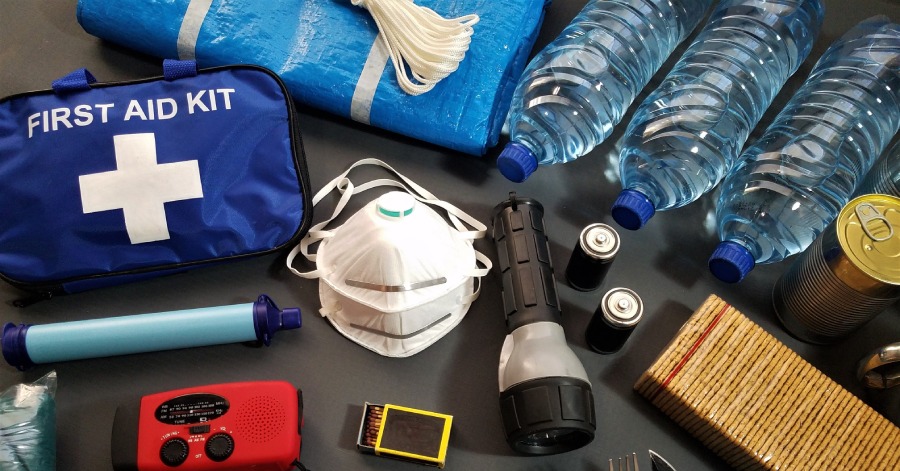
First Aid Kit at Workplace for Employees to Use

Understanding the Importance of First Aid at Work

Incorporating first aid into workplace protocols is a critical step in fostering a safe and responsive environment. When employees are trained in first aid, they are not just learning procedures; they are becoming vital guardians of workplace health. This training empowers them to handle a spectrum of situations, from addressing a minor scrape to responding to a severe health crisis. 

By emphasizing the significance of first aid, a workplace underscores its dedication not only to physical well-being but also to mental health, recognizing the varied nature of emergencies that can occur on the job. 

A commitment to comprehensive first aid training demonstrates a business’s investment in its most valuable asset – its workforce – and cultivates an atmosphere of vigilance, empathy, and resilience among its staff.

Does Your Company Need First Aid Training? Reach Out.

First Aid Kit at Workplace for Employees to Use

The Basics of Workplace First Aid

Workplace first aid is a fundamental aspect of employee training that covers essential emergency response techniques. This training typically includes skills such as how to treat cuts, burns, or sprains, and how to respond to more severe conditions like choking or shock. It’s not just about having a well-stocked aid kit on hand; it’s about ensuring each worker knows how to use the contents effectively. 

Basic first aid at work also involves understanding how to assess the severity of an injury or medical condition and make critical decisions about when to seek additional medical assistance. 

A primary aim of this training is to provide immediate, temporary care that can prevent a situation from worsening. By mastering these basic skills, employees can contribute significantly to maintaining a safer workplace, ready to act promptly and appropriately in the face of various medical emergencies.

CPR Training: A Critical Component of Employee Safety

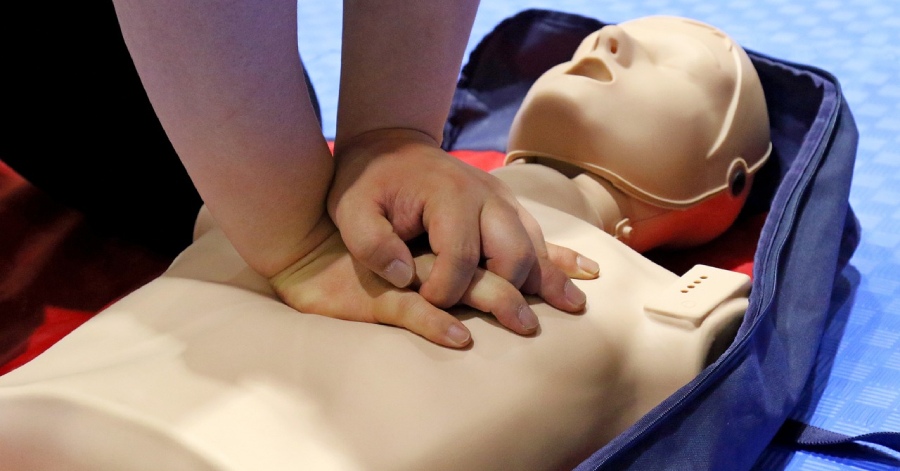
Training employees in CPR is a vital aspect of comprehensive workplace safety. This education equips staff with the capability to respond effectively to heart-related emergencies, emphasizing techniques for chest compressions and rescue breaths. 

Such training goes beyond routine safety measures, providing a lifeline in critical moments before medical professionals arrive. It instills a sense of preparedness and responsibility, demonstrating an organization’s commitment to not just the physical well-being of its employees but also to creating a supportive and responsive work environment.

Incorporating First Aid Training into Workplace Safety Programs

Embedding first aid training within workplace safety programs is a strategic move towards enhancing overall employee well-being and preparedness. This integration involves not only equipping staff with practical skills to handle emergencies, such as injury or sudden illness, but also fostering an environment where safety is everyone’s responsibility. 

Regularly scheduled training sessions ensure that all employees are up-to-date with the latest first aid techniques and procedures, reinforcing a culture of readiness and proactive care. This approach not only aligns with legal safety requirements but also demonstrates a commitment to a comprehensive and responsible workplace.

Choosing the Right Aid Training Courses

Determining the most suitable first aid courses for your workplace is key to ensuring effective emergency response capabilities. It’s important to consider factors such as the nature of the work environment, the common risks involved, and the size of the workforce. Partnering with reputable training providers can help tailor the training to specific workplace needs. Comprehensive courses should not only focus on general first aid skills but may also include specialized training areas, like emergency first aid or mental health support, to address the unique challenges of each workplace.

Benefits of Regular Training and Refreshers

Consistently revisiting and updating first aid skills through regular training and refresher courses plays a pivotal role in ensuring workplace safety. These sessions are essential not only for reinforcing essential first aid techniques but also for instilling confidence among employees. They keep the workforce updated on the latest advancements in first aid and emergency response protocols. Moreover, such ongoing education fosters a vigilant and safety-conscious work environment, enhancing the ability to effectively manage accidents and medical crises when they occur.

Essential Components of a Workplace First Aid Kit

A well-equipped workplace first aid kit is a fundamental resource in handling emergencies. Key components should include a variety of bandages, antiseptic wipes, sterile dressings, gloves, and basic tools like scissors and tweezers. It’s also important to include items for specific hazards unique to the workplace, such as burn cream or eye wash solutions. 

Regularly checking and restocking the kit ensures that all items are up-to-date and ready for use. Providing easy access to these kits and training employees on their contents are crucial steps in enhancing workplace safety and preparedness.

Legal and Ethical Considerations of First Aid at Work

The legal and ethical framework surrounding first aid at work is a vital consideration for businesses. From a legal standpoint, companies are obliged to provide a safe environment, which encompasses effective first aid measures. Ethically, it’s about taking proactive steps to ensure employee well-being, not just meeting basic requirements. This commitment includes conducting thorough workplace risk assessments, customizing first aid training to specific needs, and ensuring the availability of essential first aid supplies. 

Adherence to these principles reflects a business’s dedication to its employees’ health and safety, reinforcing a workplace culture rooted in care and ethical responsibility.

Preparing for and Responding to Workplace Emergencies

Effective preparation and response to workplace emergencies are key to mitigating risks and ensuring employee safety. This involves regular emergency drills, clear communication protocols, and accessible emergency equipment. Training employees in recognizing potential hazards and responding appropriately to different types of emergencies, from medical crises to environmental threats, is essential. Establishing a solid emergency response plan and regularly reviewing and updating it ensures that all staff are prepared and know their roles during critical situations, thus enhancing overall workplace safety and readiness.

Conducting Risk Assessments and Emergency Drills

Conducting regular risk assessments and emergency drills is crucial for a proactive safety strategy in the workplace. Risk assessments help identify potential hazards and formulate strategies to mitigate them. Emergency drills, on the other hand, train employees to respond efficiently and effectively during various crisis scenarios, from medical emergencies to natural disasters. These drills not only test the effectiveness of emergency plans but also help familiarize staff with their roles and responsibilities, ensuring a coordinated and calm response when real emergencies occur.

Collaboration with Emergency Services

Forging a strong partnership with local emergency services is crucial in refining a workplace’s emergency response protocol. This collaboration ensures that in the event of a serious workplace incident, there is a seamless integration between internal first aid efforts and professional medical response. Engaging with emergency professionals can also enhance the quality of in-house first aid and emergency training, aligning it with current best practices. Regular interactions and joint emergency simulations with these services reinforce the effectiveness of emergency plans and boost employee confidence in their ability to manage critical situations.

Building a Culture of Safety and Preparedness

Cultivating a culture of safety and preparedness in the workplace goes beyond implementing policies; it’s about ingraining safety as a core value among all employees. This involves regular safety training, open discussions about potential hazards, and encouraging proactive measures to prevent accidents. Recognition of safe practices and fostering a supportive environment where employees feel comfortable reporting risks are also key. Such a culture not only enhances immediate responses to emergencies but also proactively reduces the likelihood of incidents, creating a safer and more secure workplace for everyone.

The Role of Trained First Aiders in the Workplace

Trained first aiders play a pivotal role in workplace safety, serving as the first line of response in the event of an emergency. These individuals are equipped with the skills to manage injuries and health crises until professional medical help arrives. They also act as advocates for safety, helping to identify potential hazards and contributing to the development of safety protocols. Their presence not only ensures immediate and effective emergency care but also fosters a sense of security among fellow employees, enhancing the overall safety culture within the organization.

Encouraging Employee Participation in First Aid Programs

Boosting employee engagement in first aid training requires a strategy that emphasizes both the importance and benefits of these skills. Offering interactive and practical training sessions can significantly increase interest and retention. Employers can also consider implementing reward systems or recognition programs to acknowledge those who actively participate and apply their training. Inviting employee input on the structure and content of first aid programs ensures the training is relevant and resonates with the team’s needs. Such inclusive approaches not only improve the quality and effectiveness of first aid training but also foster a shared commitment to maintaining a safe workplace.

How OSHA Training Benefits Your Workplace Safety

OSHA Safety at Workplace Being Implemented

Introduction to OSHA Training and Its Importance

At the heart of a safe working environment lies OSHA training, a vital initiative that transcends standard safety procedures to instill a deep-rooted sense of vigilance and responsibility in employees. 

This training is more than a checklist of safety measures; it’s an immersive educational journey, custom-tailored to address the distinct risks and challenges of various workplaces. It empowers each employee to become an active agent in safeguarding their work environment, fostering a collective commitment to health and safety that resonates through every level of the organization. 

OSHA training thus serves as a foundational pillar in building not just a compliant, but a genuinely safety-conscious and resilient workplace culture.

Need OSHA Training? Reach Out.

OSHA Safety at Workplace Being Implemented

Comprehensive Benefits of OSHA Training

OSHA training offers a robust safety program that goes beyond basic guidelines to ensure a well-rounded approach to workplace safety. By participating in this program, employees and managers alike gain invaluable insights into preventing accidents and handling emergencies effectively. This training not only meets regulatory standards but also cultivates a safety-first mindset, making it an indispensable part of maintaining a healthy and secure work environment.

Ensuring Regulatory Compliance

Compliance with safety regulations is a critical component of any workplace, and OSHA training is at the forefront of this endeavor. The training provides comprehensive guidance on recognizing and effectively managing potential hazards, ensuring that both employees and employers understand their responsibilities under safety laws. This proactive approach to identifying and mitigating risks not only ensures adherence to legal standards but also fosters a culture of safety, where the detection and prevention of potential hazards are ingrained in every aspect of the workplace routine.

Reducing Workplace Accidents

OSHA training stands as a vital tool in diminishing the incidence of workplace accidents by sharpening focus on potential hazards and prevention strategies. This training transforms the workplace into a zone where every employee is equipped to recognize and act against potential risks that could lead to workplace injuries. By instilling a deeper understanding of what constitutes a potential hazard and how to effectively manage it, OSHA training plays a crucial role in not just responding to accidents, but proactively preventing them. This shift towards a proactive safety culture not only reduces the likelihood of injuries but also cultivates a more secure and conscientious working environment for all.

Elevating Employee Safety Awareness

Elevating safety awareness among workers is a cornerstone of OSHA training, particularly in areas like electrical safety and other workplace hazards. This training goes beyond the basics, teaching each worker how to spot, understand, and react to various hazards that could lead to a workplace accident. It’s not just about following safety rules; it’s about building an intuitive understanding of safety in every aspect of their job. Workers learn to anticipate and prevent potential dangers, effectively transforming them into active participants in their own safety and the safety of their colleagues. The result is a workplace where safety is not just a policy but a deeply ingrained part of the work culture, significantly reducing the risk of accidents and enhancing overall safety for everyone.

Financial Advantages: Cutting Down Costs Linked to Accidents

The financial benefits of safety training, especially in reducing costs associated with workplace accidents, are substantial. When employees are well-trained in safety practices, the likelihood of accidents significantly decreases, leading to lower expenses in medical bills, legal fees, and workers’ compensation. Moreover, safety training minimizes the costly downtime that often follows accidents, keeping productivity and morale high. Businesses investing in comprehensive safety training are not just ensuring compliance and protecting their workforce, but are also making a smart financial decision. This investment in safety training ultimately results in a safer workplace with fewer accidents, which translates into tangible cost savings and a healthier bottom line for the company.

Fostering a Culture of Safety

The heart of fostering a culture of safety lies in robust workplace safety training programs focused on accident prevention. Such training empowers each employee to become an active participant in creating a safer workplace, going beyond routine tasks to embrace safety as a core value. It instills a sense of responsibility and vigilance, where every team member is both a learner and a teacher in the realm of safety. This shift towards an inclusive safety mindset, nurtured through regular and thorough training, leads to a significant decrease in accidents. More importantly, it cultivates a workplace environment where safety is not just a policy but a way of life, deeply integrated into every action and decision, reinforcing a strong, safety-first culture throughout the organization.

Implementing OSHA Training in Your Workplace

Implementing OSHA training in your workplace is a strategic move to enhance overall safety and awareness. This safety training is tailored to empower each employee with the knowledge and skills necessary to identify and manage workplace hazards effectively. By integrating this training into the regular workflow, employees not only become more aware of safety practices but also contribute actively to creating a safer work environment for everyone.

Integrating Training with Existing Safety Protocols

Integrating OSHA training with existing safety protocols is a critical step in enhancing injury prevention and occupational safety. This integration involves aligning OSHA training modules, such as fall protection and other preventive measures, with the company’s current safety practices. This approach not only reinforces existing protocols but also introduces new, updated methods to reduce the risk of workplace injury. It’s about creating a cohesive safety system where traditional practices are bolstered with contemporary OSHA standards, ensuring that every employee is well-equipped to handle various safety scenarios. Such a comprehensive approach to occupational safety training helps in building a workplace environment where safety is deeply embedded in every task and decision, significantly reducing the incidence of injuries and accidents.

Regular Training for Continuous Safety Improvement

Regular training is key to continuous safety improvement, keeping employees updated on the latest strategies for identifying and managing workplace hazards. This ongoing training process is essential for reinforcing safety management principles and ensuring that every team member is proficient in using personal protective equipment correctly. By routinely refreshing their knowledge and skills, employees stay alert to potential dangers and the evolving nature of safety protocols. This consistent engagement with safety training ensures that every aspect of workplace safety, from hazard recognition to the use of protective gear, is second nature to the workforce. Ultimately, this leads to a workplace where safety is a dynamic and ever-improving practice, ingrained in the daily activities of all employees.

OSHA Benefits Being Implemented

EMR Safety & Health: Your Partner in OSHA Training

EMR Safety & Health is your go-to source for comprehensive OSHA training, offering a diverse range of courses to address the unique challenges of different work environments. Our Competent Person Safety Courses are meticulously designed to equip individuals with the expertise to spot and mitigate workplace hazards, fostering a culture of safety. In the construction sector, our Construction Safety Courses delve into the specific risks and safety practices needed in this dynamic field. 

For a wider industry scope, our General Industry Safety Courses provide essential safety insights applicable to various sectors. Completing our suite of offerings, our Compliance Safety Courses focus on aligning workplace practices with OSHA standards, ensuring both safety and regulatory adherence. 

At EMR Safety & Health, we’re committed to transforming your workforce into safety-conscious, well-trained professionals, ready to tackle the safety challenges of their respective fields.

Conclusion: Take the Step Towards Enhanced Workplace Safety

In wrapping up, the path to a safer workplace is both valuable and attainable. Adopting stringent safety protocols, as taught in OSHA training, plays a pivotal role in helping to prevent workplace accidents. This commitment to safety goes beyond mere compliance; it reflects a profound dedication to the health and safety of every employee. The journey to enhanced workplace safety starts with individual responsibility and is amplified through collective adherence to established safety practices. We invite you to embark on this journey with EMR Safety & Health, where each step taken is a stride towards a workplace that is not only safer but also a beacon of care and vigilance, fostering an environment where accident prevention is a shared goal and achievement.

Frequently Asked Questions About OSHA Training

What advantages does OSHA training offer to employees and the companies they work for?

OSHA training is crucial for ensuring a safe working environment. For employees, it means gaining essential skills to recognize and handle safety risks, which can lead to a decrease in workplace injuries. For companies, effective OSHA training reduces the likelihood of accidents, which can lower insurance costs and improve overall productivity by maintaining a healthy workforce.

How regularly should OSHA training be conducted to maintain effective workplace safety?

Regularity in OSHA training is key. While initial training is critical when an employee first joins, ongoing training sessions are equally important. These should be conducted either annually or as new safety challenges and regulations emerge, to keep all staff updated and aware of the latest safety practices and regulations.

Is it possible to tailor OSHA training to address the specific needs of different work environments?

Yes, one of the strengths of OSHA training is its flexibility to be tailored to specific work environments. Customizing the training to address particular risks and safety procedures relevant to an industry or job role makes the training more effective and directly applicable to the daily tasks and challenges employees face.

Carbon Monoxide Poisoning at Work: Risks, Symptoms, and Prevention

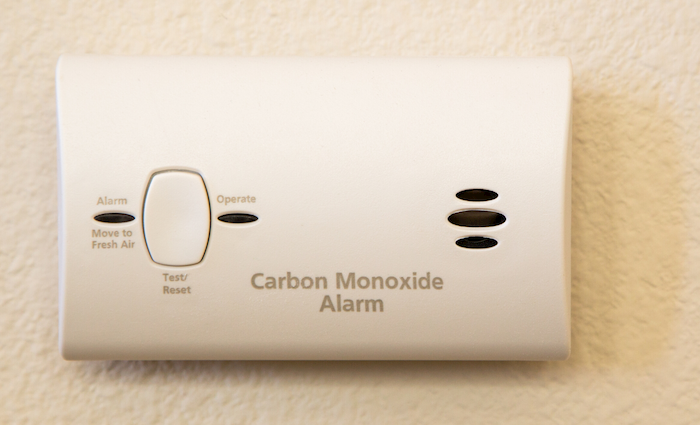
Carbon Monoxide Alarm

Safety inspections or mock OSHA inspections reveal many overlooked hazards.

Company Information

A warehouse with 100 employees that works with steel pipe uses tools and equipment such as a press, punch, plasma cutter, grinders, welders, and power tools. The warehouse has no air conditioning in the summer or heat in the winter. It was the dead of winter and I walked by an isle and felt a welcoming warmth. The warmth came from a salamander or bullet heaters. Electrical salamanders are great in this situation, but these were not electric, they were fueled by diesel. Diesel or gasoline operated tools are not designed for inside use. Carbon monoxide is a product of incomplete combustion and is deadly.

Carbon Monoxide (CO) is a common industrial hazard. This heater in the workplace was an exposure risk for everyone working in this facility.

Carbon Monoxide warning sign

Carbon monoxide (CO) is a colorless, odorless and tasteless gas that is also highly poisonous. Although it has no detectable odor, CO is often mixed with other gasses that do have an odor. So, you can inhale carbon monoxide right along with gasses that you can smell and not even know that CO is present.
Carbon monoxide is harmful when breathed because it displaces oxygen in the blood and deprives the heart, brain and other vital organs of oxygen. Large amounts of CO can overcome you in minutes without warning, causing you to lose consciousness and suffocate.

Severe carbon monoxide poisoning causes neurological damage, illness, coma and death.

Understanding Carbon Monoxide (CO) Sources in the Workplace

  • Portable generators and generators in buildings
  • Concrete cutting saws
  • Compressors
  • Power trowels
  • Floor buffers
  • Space heaters
  • Welding
  • Gasoline powered tools and pumps

Recognizing the Signs and Symptoms of CO Poisoning

Tightness across the chest, headache, fatigue, dizziness, drowsiness, or nausea are signs and symptoms associated with CO. Sudden chest pain may occur in people with angina. During prolonged or high exposures, symptoms may worsen and include vomiting, confusion and collapse in addition to loss of consciousness and muscle weakness. Symptoms can vary widely from person to person.

CO poisoning may occur sooner in those most susceptible: young children, the elderly, people with lung or heart disease, people at high altitudes, or those who already have elevated CO blood levels, such as smokers.

CO poisoning can be reversed, but if you recover acute poisoning may result in permanent damage to the parts of your body that require a lot of oxygen such as the heart and brain. Significant reproductive risk is also linked to CO.

High-Risk Workplaces for Carbon Monoxide Exposure

You may be exposed to harmful levels of CO in boiler rooms, warehouses, petroleum refineries, pulp and paper production, and steel production; around docks, blast furnaces, or coke ovens; or in one of the following occupations:

  • Welders
  • Garage mechanics
  • Firefighters
  • Diesel engine Operator
  • Forklift Operator
  • Marine terminal worker
  • Toll booth or tunnel attendant
  • Customs Inspector
  • Police Officer
  • Taxi driver

Immediate Action Steps for CO Poisoning Prevention

When you suspect CO poisoning, promptly taking the following actions can save lives:

  • Move the victim immediately to fresh air in an open area.
  • Call 911 or another local emergency number for medical attention or assistance
  • Administer 100 percent oxygen using a tight-fitting mask if the victim is breathing
  • Administer cardiopulmonary resuscitation (CPR) if the victim has stopped breathing

Safety Measures for Rescuers in CO Incidents

You may be exposed to fatal levels of CO poisoning in a rescue attempt. Rescuers should be skilled at performing recovery operations and using recovery equipment. Employers should make sure that rescuers are not exposed to dangerous CO levels when performing rescue operations.

Respirators for CO Exposure: Personal Protective Equipment

Use a full-facepiece pressure-demand self-contained breathing apparatus (SCBA) certified by the National Institute for Occupational Safety and Health (NIOSH), or a combination full-facepiece pressure demand supplied-air respirator with auxiliary self-contained air supply in areas with high CO concentrations, i.e., atmospheres that are immediately dangerous to life and health (IDLH)..

Use respirators with appropriate canisters, in conjunction with personal CO monitoring, for short periods under certain circumstances where CO levels are not exceedingly high.

Preventing Carbon Monoxide Poisoning in the Workplace

To reduce the chances of CO poisoning in the workplace, employers should take the following actions:

  • Test air regularly in areas where CO may be present, including confined spaces.
  • Never use a generator indoors or in enclosed or partially enclosed spaces such as garages, crawl spaces and basements.
  • Opening windows and doors in an enclosed space may prevent CO buildup.
  • Make sure the generator has 3-4 feet of clear space on all sides and above it to ensure adequate ventilation.
  • Do not use a generator outdoors if placed near doors, windows or vents which could allow CO to enter and build up in occupied spaces.
  • Install an effective ventilation system that will remove CO from workers breathing zones.
  • Maintain equipment and appliances (e.g., water heaters, space heaters, cooking ranges) that can produce CO in good working order to promote their safe operation.
  • Consider switching from gasoline-powered equipment to equipment powered by electricity, batteries, or compressed air if it can be used safely.
  • Prohibit the use of gasoline-powered engines or tools indoors or poorly ventilated areas.
  • Provide personal CO monitors with audible alarms if potential exposure to CO exists.
  • When using space heaters and stoves ensure that they are in good working order to reduce CO buildup, and never use in enclosed spaces or indoors.
  • Consider using tools powered by electricity or compressed air.

Employee Training for CO Safety

Educate workers about the sources and conditions that may result in CO poisoning as well as the symptoms and controls required to eliminate CO exposure.

Employees should do the following to reduce the chances of CO poisoning in the workplace:

  • Report any situation to your employer that might cause CO to accumulate.
  • Be alert to ventilation problems — especially in enclosed areas where gasses of burning fuels may be released.
  • Promptly report complaints of dizziness, drowsiness, or nausea.
  • Avoid overexertion if you suspect CO poisoning and leave the contaminated area.
  • Tell your doctor that you may have been exposed to CO if you get sick.
  • Avoid the use of gas-powered engines, such as those in powered washers as well as heaters and forklifts, while working in enclosed spaces.

Permissible Exposure Limits for Carbon Monoxide at Work

The OSHA PEL for CO is 50 parts per million (ppm). OSHA standards prohibit worker exposure to more than 50 parts of CO gas per million parts of air averaged during an 8-hour time period.

Carbon Monoxide detector

Don’t let this silent killer get you at work or at home. Install a carbon monoxide detector.

Thank you to OSHA.gov for information contributing to this article.

The Hidden Hazards of Hand Sanitizers: Staying Safe in a Sanitized World

In today’s world, hand sanitizers have become a familiar sight in our daily lives. They’ve earned a place in our homes, workplaces, and public spaces, especially during the COVID-19 pandemic. While hand sanitizers offer convenience and cleanliness, it’s crucial to recognize that they aren’t entirely without their share of potential risks and hidden dangers.

Despite their apparent simplicity, hand sanitizers can conceal hazards that deserve our attention. From skin irritations to accidental ingestions and concerns about long-term effects, the widespread use of these sanitizing solutions has raised questions about their safety.

This comprehensive guide aims to unveil the less obvious aspects of hand sanitizers, exposing potential risks and side effects associated with their frequent use. Our objective is to empower you with the knowledge needed to make informed decisions regarding hand sanitizer usage. By grasping these nuances, you can ensure that your commitment to cleanliness doesn’t inadvertently jeopardize your overall well-being.

Join us on a journey through the world of hand sanitizer hazards, exploring critical factors like the ingredients that merit scrutiny and the precautions you can take to safeguard yourself and your loved ones in an increasingly sanitized world.

Understanding the Risks: Hand Sanitizer Ingredients and Side Effects

When we think of hand sanitizers, it’s easy to overlook the key ingredient that makes them effective: alcohol. While alcohol-based hand sanitizers have been a vital tool in our battle against germs, understanding their composition and potential side effects is essential for ensuring both cleanliness and safety.

Alcohol as the Hero and Potential Hazard

Alcohol, particularly ethanol or isopropanol, is the active ingredient in most hand sanitizers. Its effectiveness in killing germs is well-documented, making it a go-to choice for sanitation. However, it’s important to recognize that alcohol is flammable, and this property can pose a risk, especially in certain situations.

Fire Safety Precautions

Alcohol-based hand sanitizers are generally safe when used as intended. However, when exposed to open flames, they can ignite. This is why it’s crucial to exercise caution when handling hand sanitizer products, particularly in environments where fire safety is a concern. Keep them away from open flames, heat sources, and smoking areas.

Balancing Cleanliness and Caution

While the benefits of alcohol-based hand sanitizers in maintaining hygiene are clear, understanding their potential risks adds a layer of responsibility. It’s essential to use them in moderation, apply them to dry hands (since wet hands can dilute the alcohol), and follow recommended guidelines for application.

A Holistic Perspective on Safety

In our journey through hand sanitizer hazards, we have found  it’s crucial to adopt a holistic perspective. Recognizing the role of alcohol as a potent germ killer and a potential fire hazard allows us to strike a balance between cleanliness and caution. It’s not about avoiding hand sanitizers altogether; it’s about using them wisely and responsibly.

By understanding the composition of alcohol-based hand sanitizers and the importance of fire safety, you’re better equipped to navigate the world of hygiene products with confidence. In the quest for cleanliness, knowledge truly is power.

Safety First: Navigating Hand Sanitizer Labels for Your Well-being

Hand sanitizer labels may seem like a maze of chemical jargon and warnings, but understanding them is vital for your safety. Let’s unravel the intricacies of hand sanitizer labels, ensuring that you can confidently make informed choices when using these products.

The Role of Isopropyl Alcohol and Ethanol

Hand sanitizers typically contain either isopropyl alcohol or ethanol, both of which are effective in eliminating germs and viruses when used correctly. However, it’s crucial to recognize that these alcohols are also flammable liquids, which means taking precautions is paramount.

Beware of Flammability

One common feature on hand sanitizer labels is a warning about flammability. This is not to be ignored. Alcohol-based hand sanitizers are inherently flammable, so always keep them away from open flames, heat sources, or areas where smoking occurs. Practicing fire safety when using these products is a non-negotiable aspect of their safe use.

Poison Control Information

Another critical element on hand sanitizer labels is the contact information for poison control centers. While hand sanitizers are not typically considered poisonous, accidental ingestion, especially of products with a high alcohol content, can be harmful. It’s essential to know where to seek help in case of such an incident.

Disease Control Compliance

Hand sanitizer labels may also provide information about the product’s effectiveness against specific pathogens. This information is usually based on guidelines from disease control authorities and helps you understand how well the sanitizer can protect you from potential threats.

Your Guide to Safe Hand Sanitizer Use

Interpreting hand sanitizer labels is ultimately about your safety and well-being. By grasping the role of isopropyl alcohol and ethanol, respecting flammability warnings, and being aware of poison control information, you can confidently incorporate hand sanitizers into your hygiene routine.

While these products are crucial in our battle against germs, handling them with care and following usage instructions is essential. By doing so, you not only protect your health but also contribute to a safer and cleaner environment.

Homemade Hand Sanitizers: A Risky Business or a Safe Alternative?

In the quest for hand hygiene, some individuals turn to homemade hand sanitizers as an alternative. While the idea of crafting your own hand sanitizer may seem appealing, it’s crucial to approach it with caution. Homemade formulations can vary significantly in their effectiveness and safety. 

Moreover, the use of improper ingredients or incorrect proportions can result in skin irritation or inadequate protection against germs. When it comes to hand hygiene, relying on professionally formulated hand sanitizers and dispensers is often the safest and most reliable choice. These products are carefully designed to strike the right balance between effectively killing germs and safeguarding your skin.

Recalled Hand Sanitizers: How to Dispose Safely and Protect Your Health

In recent times, certain hand sanitizers have been subject to recalls due to concerns about their safety and effectiveness. If you happen to have one of these recalled products, it’s vital to dispose of them safely to protect your health. Do not use them, as they may not effectively eliminate germs or could even pose health risks. 

The best way to dispose of recalled hand sanitizers is to follow local hazardous waste disposal guidelines. Avoid pouring them down drains or toilets, as this can harm the environment. Instead, look for designated disposal sites in your area or contact local authorities for guidance. Prioritizing safety in the disposal of these products ensures you maintain your hand hygiene while safeguarding your health.

Emergency Situations: When Hand Sanitizer Poisoning Requires a 911 Call

While hand sanitizers are essential tools in maintaining hand hygiene, there can be situations where their improper use or ingestion can lead to adverse effects, including alcohol poisoning. If you suspect someone has ingested hand sanitizer or is experiencing severe adverse effects, such as skin irritation or nausea, it’s crucial to act swiftly. In cases of accidental ingestion, especially by children or vulnerable individuals, do not hesitate to dial 911. Alcohol poisoning can have serious consequences, and prompt medical attention is crucial. Remember, even though hand sanitizers are valuable in preventing illness, ensuring their safe use is equally vital.

Taking Care of Your Skin Amid Hand Sanitizer Risks

In our quest for proper hand hygiene, it’s essential not to overlook the well-being of our skin. Frequent use of hand sanitizers, especially those with a high alcohol content, can sometimes result in dryness or skin irritation. To strike a balance between effective hand hygiene and skin care, consider these tips. 

Firstly, choose hand sanitizers that incorporate moisturizing agents to combat dryness. Secondly, whenever possible, opt for hand washing with soap and water, as it can be gentler on the skin. Lastly, if you notice skin irritation, consult a dermatologist for advice on suitable hand rubs or creams that can alleviate discomfort. Hand hygiene is vital, but it should not come at the expense of your skin’s health.